
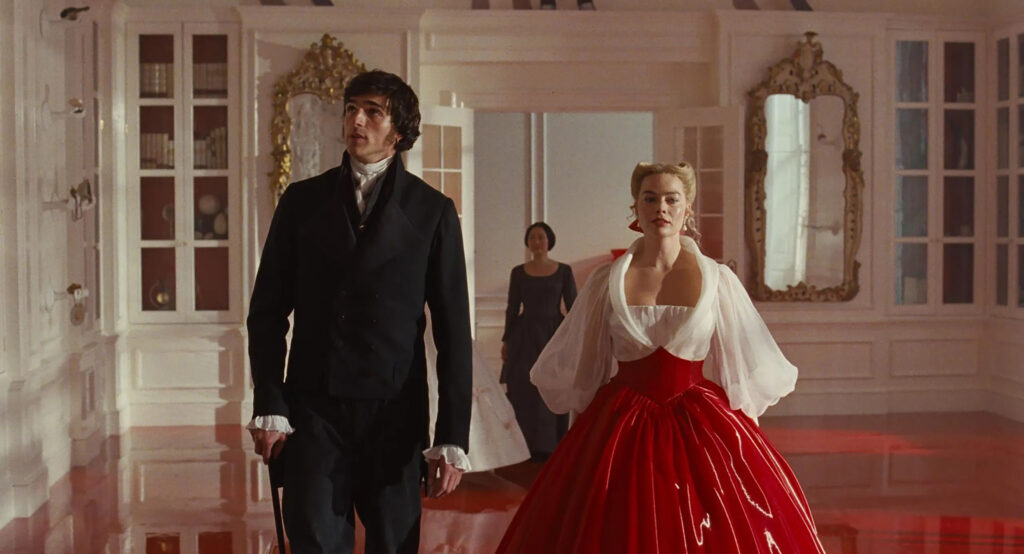
Since Emerald Fennell announced her latest project, an adaptation of Emily Brontë’s Wuthering Heights, it has attracted the harshest of criticism—especially from the book’s most devoted fans. Set in the 18th century, the story follows the intense and destructive love between Catherine “Cathy” Earnshaw and Heathcliff, and the consequences it has on not just themselves, but everyone around them. Fennell made the decision to put the film title in quotation marks to make it clear to audiences that it is “inspired by” the novel. She told Penguin Books it is an emotional response to the text rather than a literal response.
In “Wuthering Heights”, Cathy (Charlotte Mellington) and Heathcliff (Owen Cooper) meet as children when her abusive and alcoholic father, Mr Earnshaw (Martin Clunes), rescues a boy from the streets of Liverpool and brings him back to Wuthering Heights, their estate on the Yorkshire Moors. Cathy names him Heathcliff after her deceased brother and the pair become inseparable despite him working as a servant. One day, Heathcliff takes the blame when the pair return home late after being trapped during a storm. Mr Earnshaw forces Cathy and her paid companion Nelly (Vy Nguyen) out of the room in order to punish Heathcliff, which leaves him with a permanently scarred back.
Six years later, Wuthering Heights has fallen into disrepair due to Earnshaw’s worsening alcoholism and gambling addiction. Torn between her love for the poverty-stricken Heathcliff (Jacob Elordi), Cathy (Margot Robbie) decides it would be wise to marry Edgar Linton (Shazad Latif), a wealthy textile merchant who has moved nearby to Thrushcross Grange with his ward Isabella (Alison Oliver). She believes it would allow her to escape her increasingly bleak living conditions and help bring Heathcliff into high society. Nelly (Hong Chau) is instrumental in this arrangement which causes Heathcliff to leave. When he returns five years later, he has acquired his own wealth but seethes with bitterness which worsens when their intense love affair comes to a head.
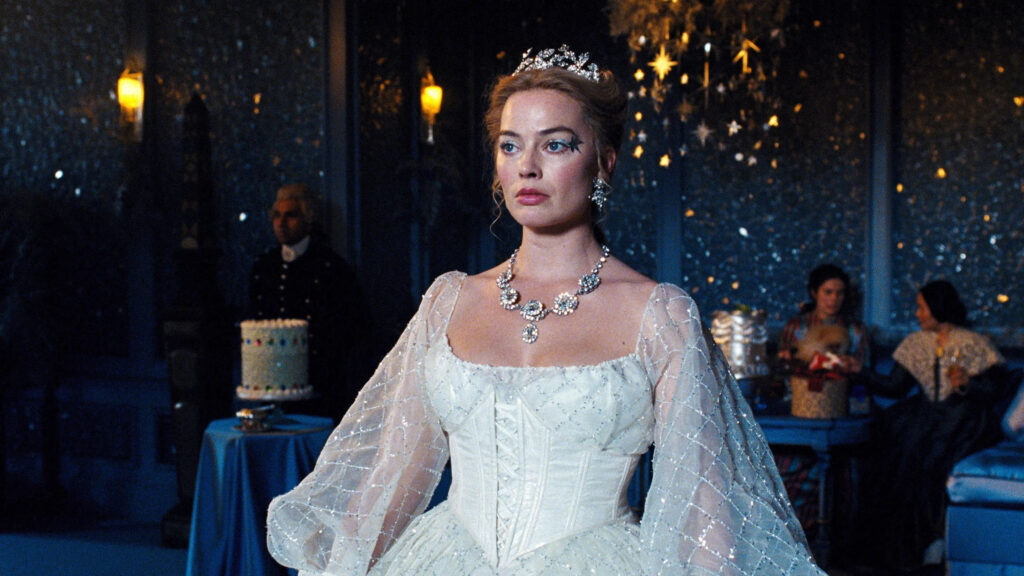
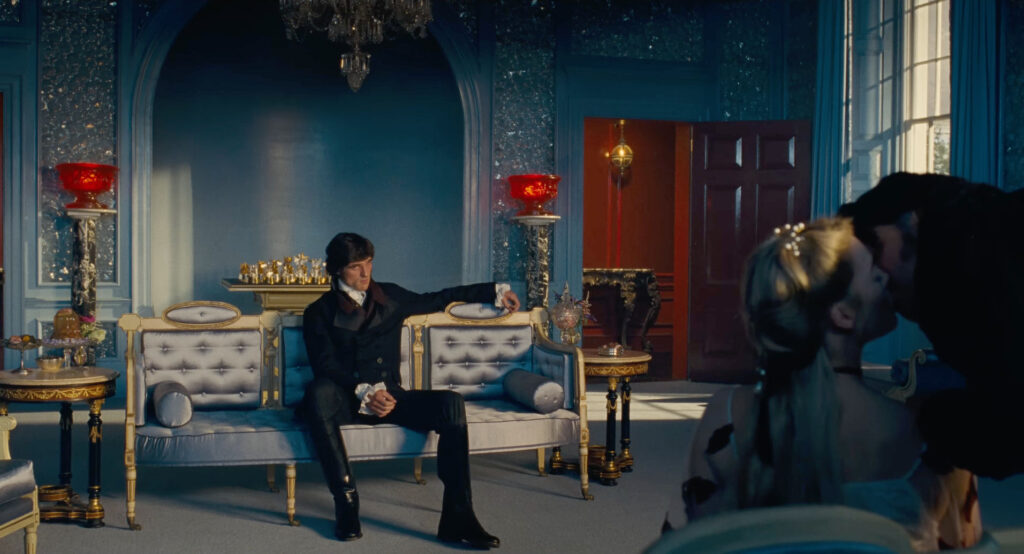
“Wuthering Heights” is visually striking in every element, thanks to the excellent work of cinematographer Linus Sandgren, production designer Suzie Davies, set designer Charlotte Dirickx, and costume designer Jacqueline Durran alongside Fennell’s delicious directing. Gorgeous wide shots of the cold, foggy, and windswept Yorkshire Moors help set the film’s moody atmosphere, while the sets of Wuthering Heights and Thrushcross Grange juxtapose two different lifestyles; the former with darker and more neutral colours and the latter dripping magnificently in bold Technicolor. Red in particular, the symbol of passion and danger, makes a more prominent appearance in both the costumes and set design.
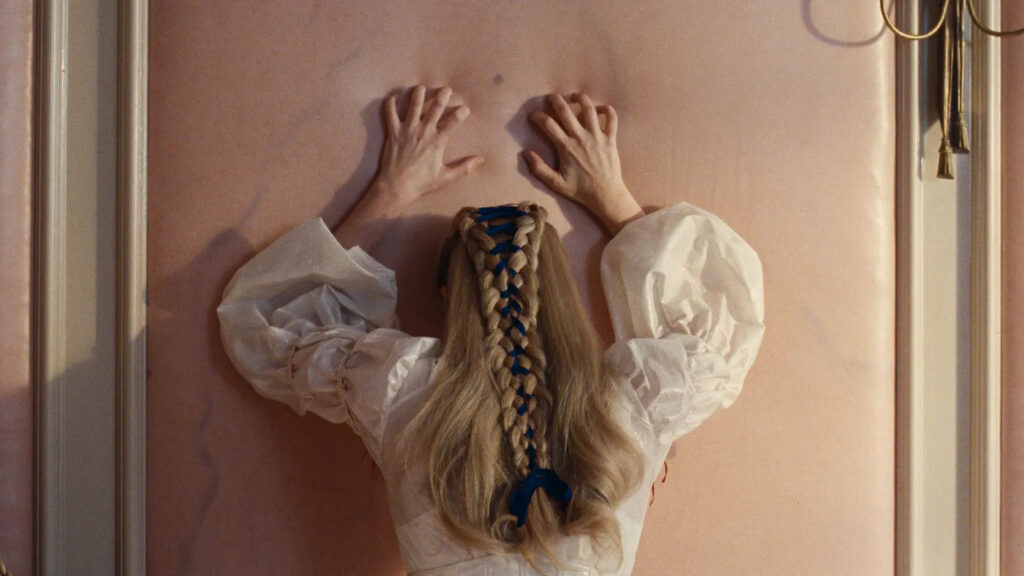
Fennell reminds us just how much a film’s visual language can be utilised to help portray the emotions of both the narrative and its characters. Linton tells Cathy her room was designed in the most beautiful colour of all: her skin. The walls, which Davies creatively crafted with latex and padding, are interactive and taken from photographs of Robbie’s real skin, featuring her moles, freckles, and veins. Fennell revealed that some of the moles on the walls have little hairs coming out of them. She added that “the trim of all the curtains and the canopy bed are blonde hair, plaited,” much like the film’s peculiar title card.
Cathy’s spectacular gowns and jewels, many of which shine and glitter, are out of place in its 18th century setting, feeling like a heightened fairytale—but they allude to the vividly feverish experience of Fennell reading Brontë’s novel for the first time at 14. Made from modern and synthetic materials, the costumes create the anachronistic “fantastical fever dream” Fennell wanted to achieve. Durran told Vogue that the costumes “are a nod to the period, to contemporary fashion, and to Old Hollywood.” The soundtrack adds to this vision, with Charli XCX’s original songs complementing Anthony Willis’ score. “House” featuring John Cale is the first song we hear which sets the film’s moody and foreboding atmosphere.
The decision to feature close-up shots of the actors’ faces with real skin-texture is particularly striking, especially as Cathy’s makeup helps to tell the story. Both Mellington and Robbie feature a natural and weathered appearance, complete with freckles and windswept blush, which changes when she moves to Thrushcross Grange. Hair and makeup artist Siân Miller told Byrdie: “We knocked the freckles back because she’s now living a more indoor, sheltered life. There’s a lot more opulence, a lot more dressing up.” Heathcliff also transforms from a rugged farmhand covered in dirt and blood into a rich and refined gentleman. There are so many intricacies within each frame that are sure to reveal more and more with each watch.
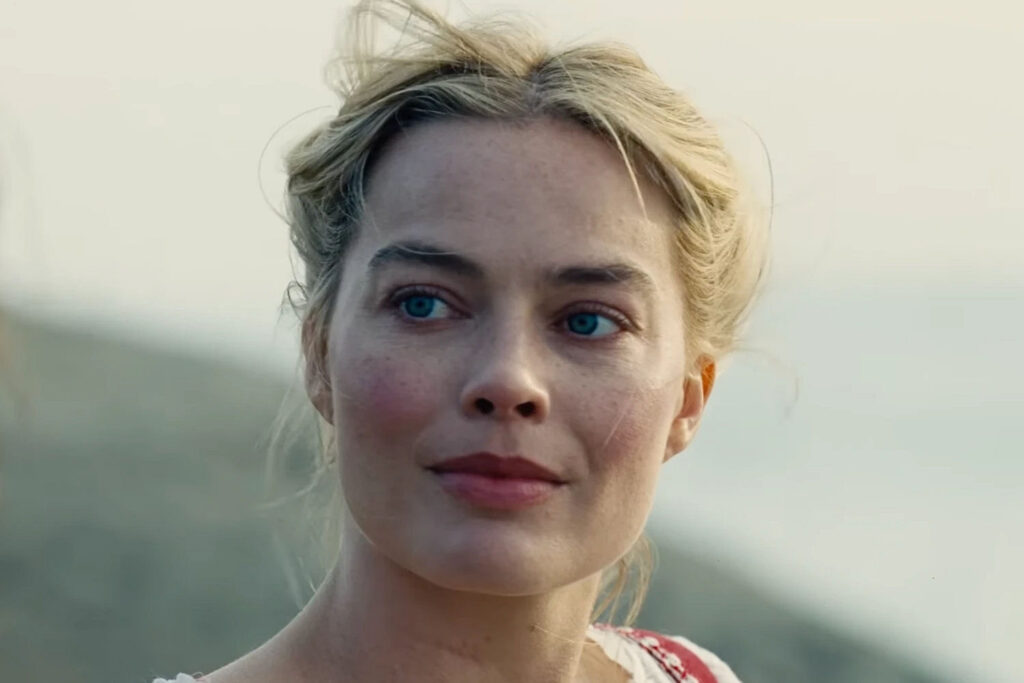
Fennell’s previous films, Promising Young Woman and Saltburn, were very bold and divisive, allowing the writer-director to acquire many haters. This, in combination with the supposed “butchering” of a beloved classic, has caused people to go into “Wuthering Heights” primed to hate it. Did Fennell misunderstand the original text as many are claiming? As a gothic novel, the book’s main themes are intense passion, revenge, and grief. There are also themes of social class and race, which cause Heathcliff to feel othered and provide more ammunition for his later actions. In particular, Wuthering Heights is about the destructive power of these themes.
Fennell appears to be an intelligent woman who simply sees the emotional experience of reading a book more significant. In capturing her teenage experience, she deemed passion and desire to be more important, and left out the book’s second half which explores Heathcliff’s descent into cruelty and revenge. When filming Saltburn, which Elordi also starred in, Fennell said she “wanted to scream” when she said Elordi with sideburns on set, as he reminded her of Dirk Bogarde and “looked exactly like the illustration of Heathcliff on the first book that I read.” I don’t think this fantastical reimagination is a bad thing, though not everyone will have shared the same reading experience she did as a girl. It is understandable, however, that people would be upset about the decision to not cast Heathcliff as a “dark-skinned” man and leave out the racial element which was integral to his character. It could be considered careless, but this doesn’t make Fennell “stupid” or mean she misunderstood the original text.
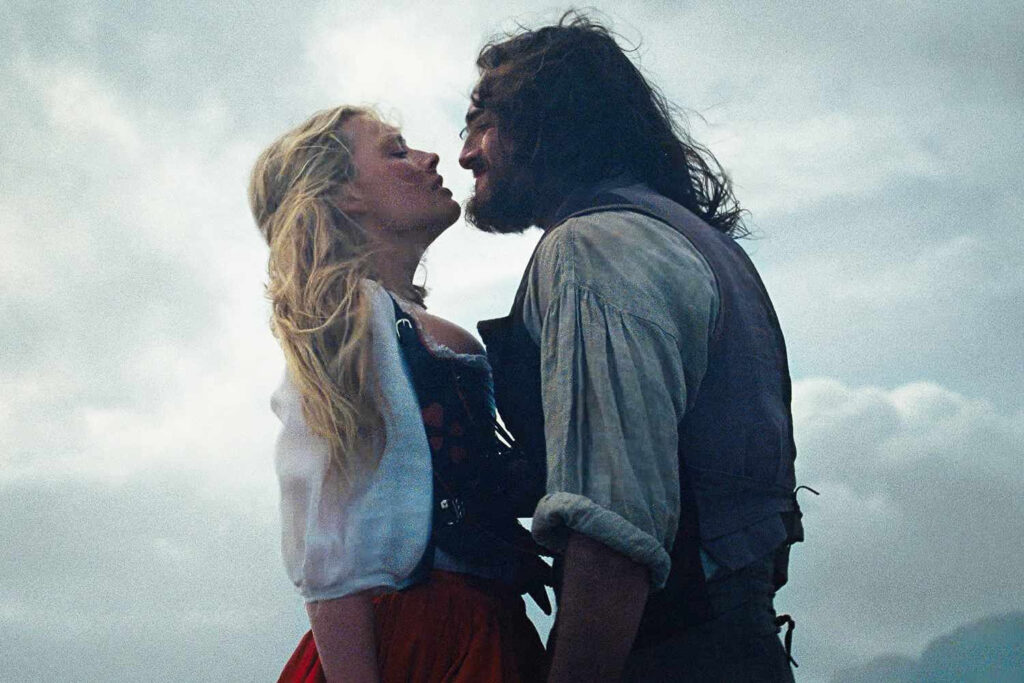
As Brontë’s novel did not include Cathy and Heathcliff sharing a single kiss, how, then, did Fennell execute the intense desire she imagined while first reading Wuthering Heights? Fennell told Penguin Books she “read between the lines” and imagined all of that was happening, but when she re-read the book when she was older, she felt like something was missing. In creating this adaptation, she got to make Cathy and Heathcliff do everything she imagined. The press tour with Robbie has made the film seem way hornier than it actually is, but it still features a lot of sex—everyone just keeps their clothes on. There’s masturbation, lip biting, some ventures into BDSM (though this doesn’t include Cathy), and sex in many different locations. It’s not steamy as such, but it’s passionate.
Fennell did manage to capture the majority of Wuthering Heights‘s other themes, too, but they aren’t spelled out for you in dialogue. Cathy and Heathcliff’s arrested development keeps them from having any healthy communication about their feelings, let alone any broader themes of social class and abuse. In an interview, Fennell explained that Brontë’s dialogue is “some of the best ever written” and, despite some narrative departures, she kept much of it because it “can’t be bettered.” The childlike theatrics and stubbornness in the book were incredibly frustrating to read and it translates well onto the screen. As for themes of abuse, Cathy and Heathcliff are both very cruel, not just to each other but to those around them. “They know how horrible each other is and they love each other anyway,” Fennell told Esquire UK. It must be stated, however, that the film contains much humour.
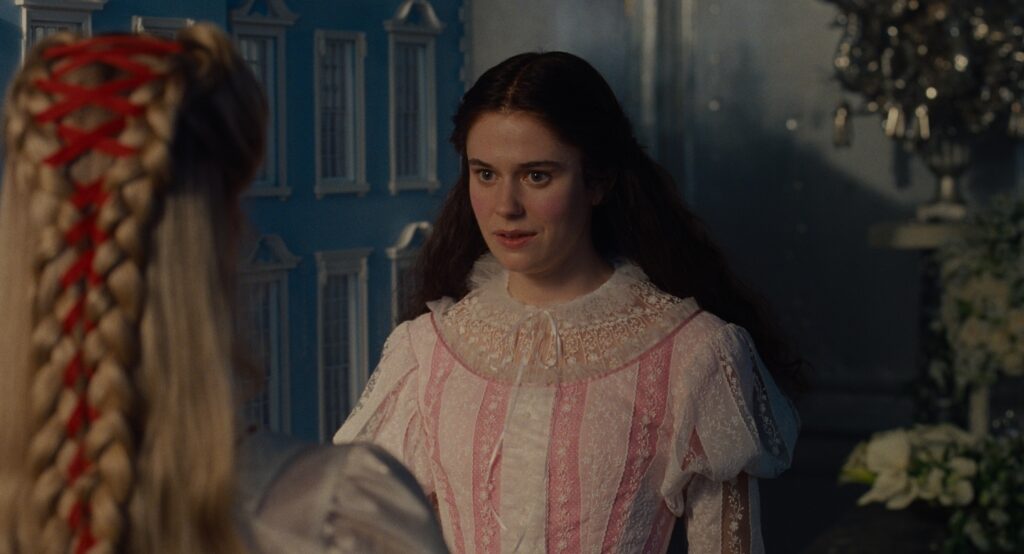
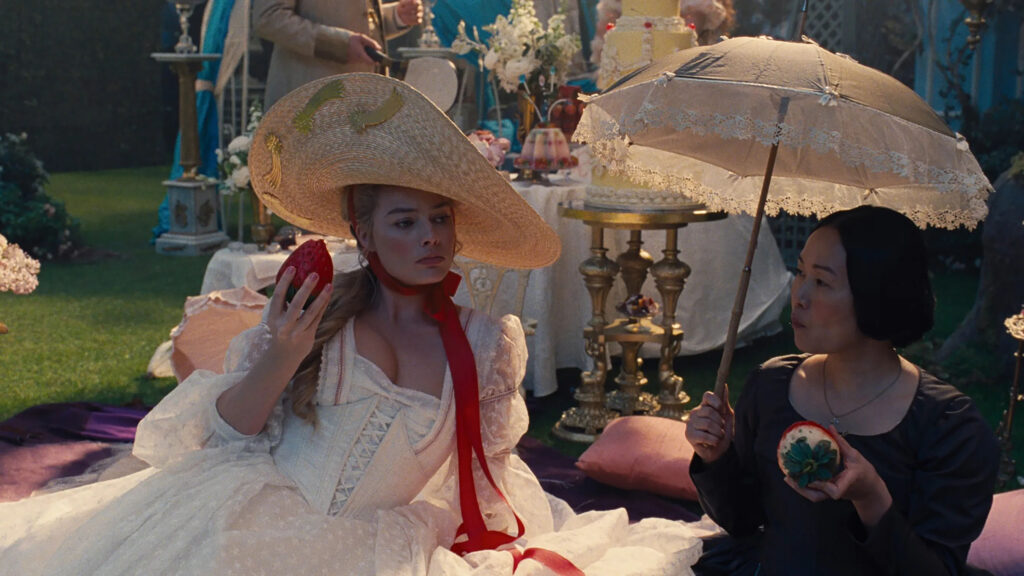
Robbie and Elordi work better than you’d expect as the bratty Cathy and brooding Heathcliff, both taking turns in throwing tantrums. I’m sure they could have been played better by different actors, but they add to the film’s fantastical experience. Oliver was mesmerising as the childlike Isabella who was given a more entertaining storyline and characterisation compared to the book. Clunes delivered another striking performance in his portrayal as the mean-spirited and alcoholic Earnshaw. All of the characters are awful to one another, which creates many moments of tension and anxiety in what is a well-paced story. Chau’s controlled Nelly, fed up with Cathy’s insufferable behaviour, makes decisions for her own gain, painting her as an antagonist whose actions you can still understand.
“Wuthering Heights” is an interesting journey to be on when first watching. You don’t quite know where exactly it will take you—or how. There are some narrative differences compared to the book, but they work really well. The film’s emotional and heartbreaking climax easily moved me to a thousand tears in a way that the book could not achieve. I felt irritated by all the characters, but Fennell bringing to life Cathy and Heathcliff’s passionate and destructive connection filled most of the emotional emptiness I felt while reading the book. “Wuthering Heights” is a visually gorgeous love story and tragedy that is worth going into with an open mind. Treat it as though it is Clueless, 10 Things I Hate About You, or Romeo + Juliet, a classic made for a new generation with a lot of colour, emotion, and passion. There’s nothing wrong with having a little fun, especially with a story that contains many dark themes, which this adaptation still retained despite its glossy visuals.

Leave a Reply